Mystras Fortress
Mystras became the political and cultural center of late Byzantine Morea (14th–15th c.), seat of the Despotate, and a refuge in the turbulent final centuries of Byzantium.
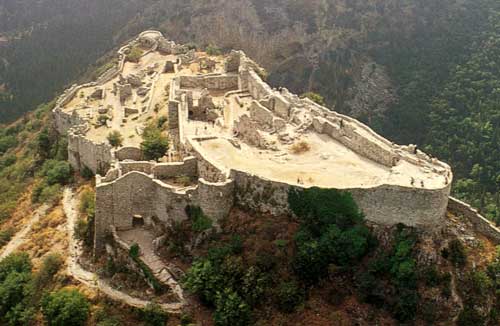
Control timeline (concise)
- Frankish foundation: 1249, by William II of Villehardouin (Prince of Achaea).
- Byzantine: 1262–1460, returned to Byzantium; capital of the Despotate of the Morea.
- Ottoman conquest: 1460–1687; garrisoned.
- Venetian: 1687–1715, short refortification.
- Ottoman return: 1715–1821.
- Greek control: 1821 War of Independence; gradually abandoned in favor of nearby modern Sparta (founded 1830s).
Architecture (at a glance)
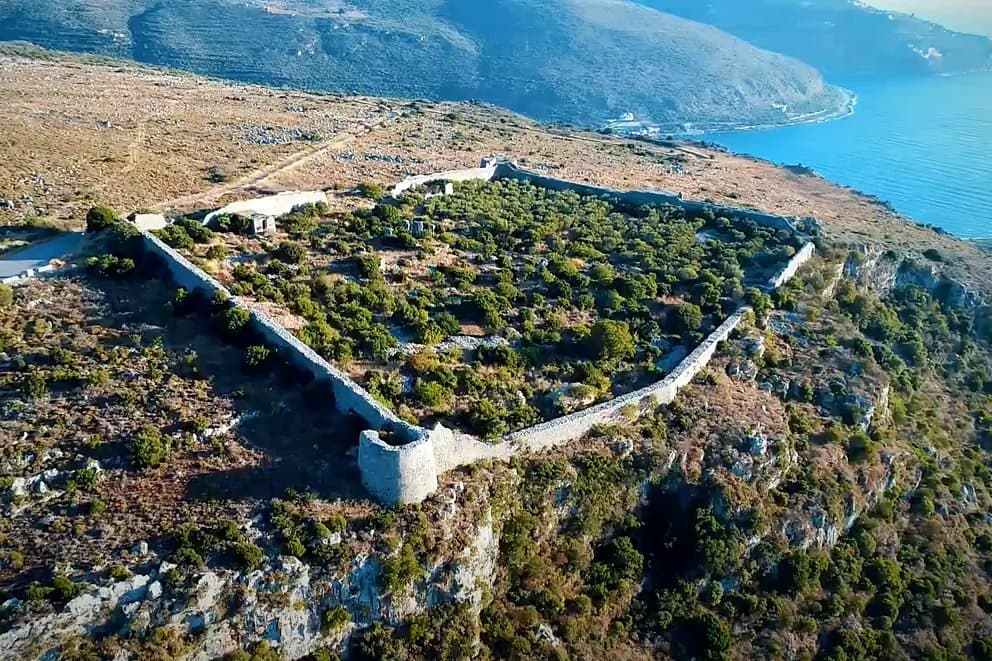
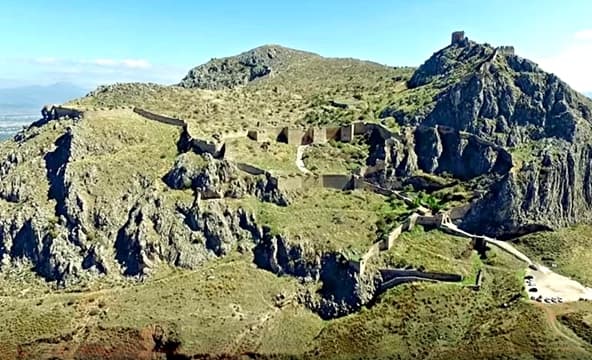
- Plan & scale: Upper citadel with enclosing walls descending to protect the town on slopes below.
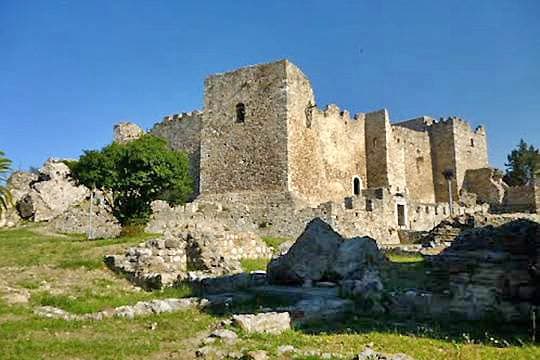
- Curtains & towers: Strong medieval enceinte with towers and gates; Frankish ashlar and Byzantine rubble masonry visible.
- Approaches: Gate system on slopes with defensive turns; steep terrain itself a defense.
- Interior features: Palace complex (late Byzantine), numerous churches and monasteries (notably Peribleptos, Pantanassa, Agios Demetrios); cisterns and houses.
- Fabric: Clear layering of Frankish core, Byzantine expansions, Venetian–Ottoman adaptations.
Interpretation notes
- Type: Hilltop citadel and enceinte, expanded into a fortified town with palaces, churches, and monasteries.
- Citadel + town: Unlike many isolated fortresses, Mystras functioned as both stronghold and living city.
- Cultural beacon: Flourishing art, scholarship, and religious architecture shaped its legacy as “the last Byzantine capital.”
- Palimpsest walls: Masonry shifts (Frankish ashlar, Byzantine brickwork, Venetian bastions) allow phasing of successive rulers.
- Characteristics: Citadel + town; Byzantine palaces; monasteries and churches; multi-period fortifications.
- Brief History: Frankish foundation (1249) → Byzantine capital of Morea (1262–1460) → Ottoman (1460–1687) → Venetian (1687–1715) → Ottoman (1715–1821) → Greek control; abandoned for modern Sparta.
- Location: Hill of Mystras, west of Sparta, Taygetos foothills, commanding Eurotas valley.
- Access: Archaeological site and heritage park, open to visitors.
- Status/Condition: Substantial upper fortress and curtain walls preserved; extensive Byzantine and post-Byzantine urban fabric survives (palace, churches, monasteries); UNESCO World Heritage site.