Fortresses
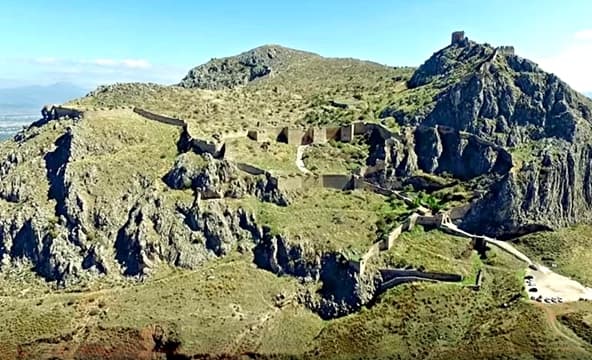
Acrocorinth Fortress — Facts
The choke-point of the Isthmus—control here meant control of movement between northern and southern Greece. The height dominates the routes to both the Saronic and Corinthian Gulfs and served as a refuge, garrison, and observation post for centuries.
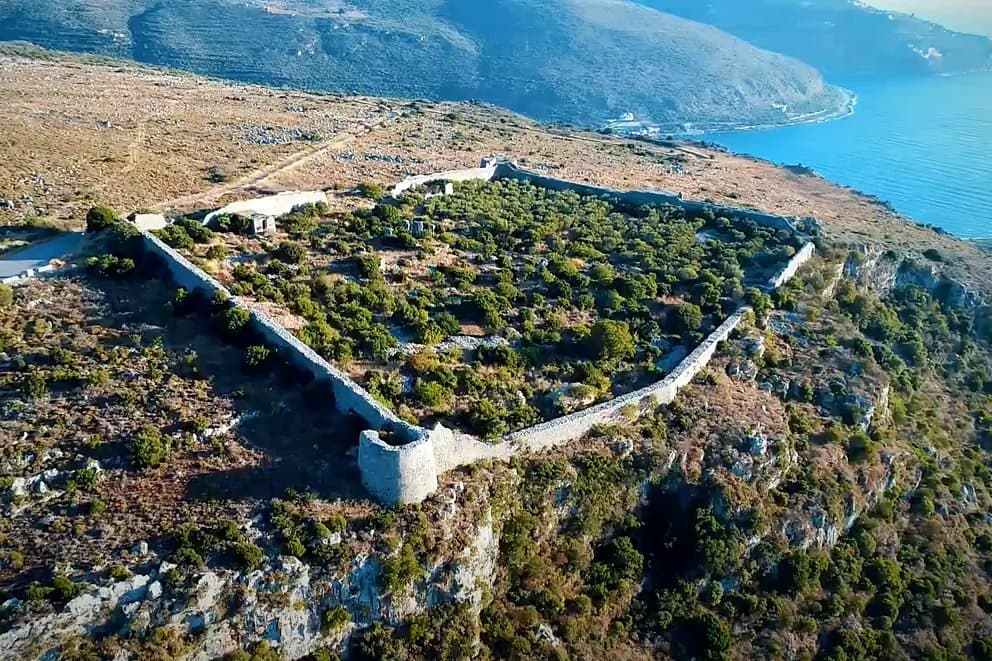
Kelefa Fortress
Built by the Ottomans to contain and monitor the semi-independent Maniot communities, it served as a forward base for garrisons and campaigns against local resistance.
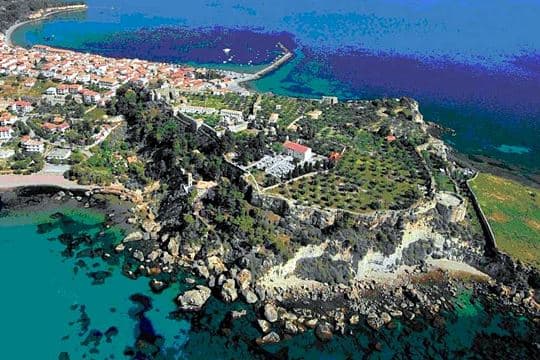
Koroni Fortress — Facts
Koroni, with Methoni, formed Venice’s “two eyes” on the Messenian approaches. It watched the Cape Akritas–Matapan sea lanes and served as a victualling, convoy, and patrol station on the Levant route

Methoni - Facts
A principal victualling and convoy stop on the route to the Levant. In Venetian usage “Modon and Coron” were the Republic’s “two eyes” guarding the Messenian approaches and the sea lanes around Cape Matapan. Brief History: Medieval nucleus → Venetian harb
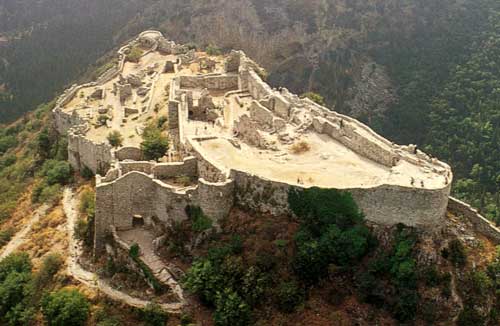
Mystras Fortress
Mystras became the political and cultural center of late Byzantine Morea (14th–15th c.), seat of the Despotate, and a refuge in the turbulent final centuries of Byzantium.
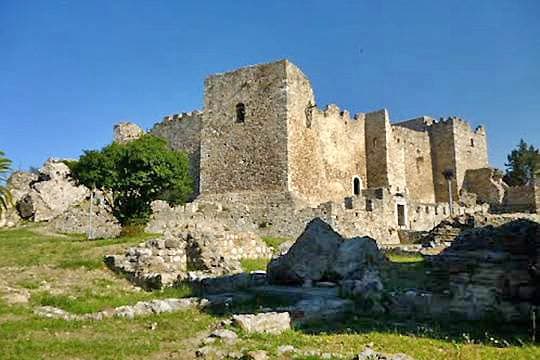
Patras Fortress — Facts
Patras was the key port of the northwestern Peloponnese, facing Italy and controlling access to the Gulf of Patras and the entrance to the Corinthian Gulf. The fortress secured the town, its harbor, and hinterland routes, serving as both a regional admini