Patras Fortress — Facts
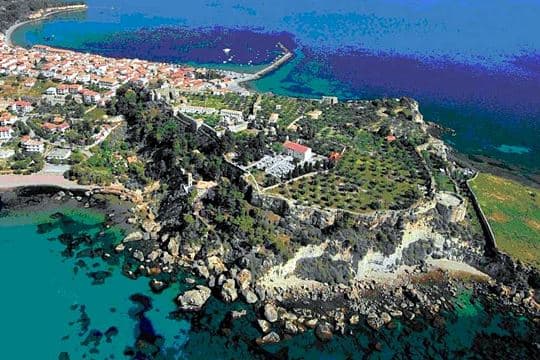
Patras was the key port of the northwestern Peloponnese, facing Italy and controlling access to the Gulf of Patras and the entrance to the Corinthian Gulf. The fortress secured the town, its harbor, and hinterland routes, serving as both a regional admini
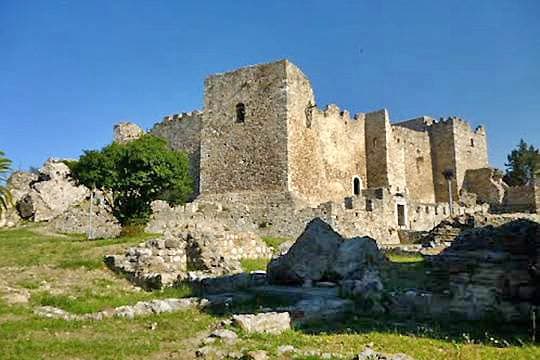
Control timeline (concise)
- Classical/Roman: Acropolis occupied; fortifications existed.
- Byzantine: Fortress rebuilt after Slavic incursions (6th–9th c.); major medieval stronghold.
- Frankish (Achaea): 1205–1430; enlarged and strengthened.
- Ottoman: 1458–1687; garrisoned, adapted for artillery.
- Venetian (Morean War): 1687–1715; refortification, partial rebuilding.
- Ottoman return: 1715–1828; continued as strong garrison.
- Greek control: 1828 (War of Independence, French capture under Maison expedition); later used militarily, now archaeological site.
Architecture (at a glance)
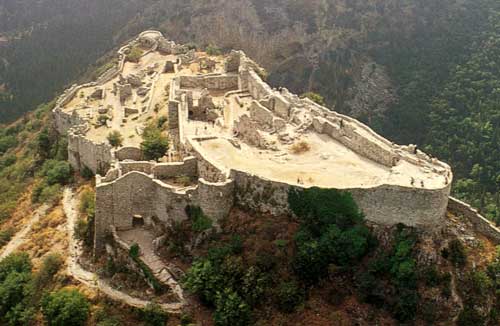
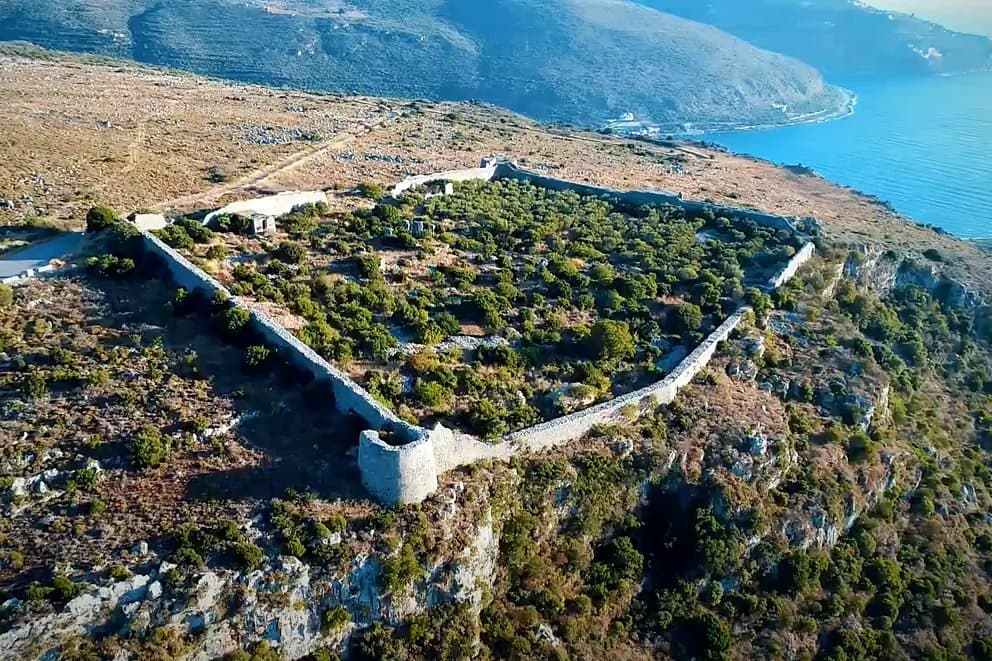
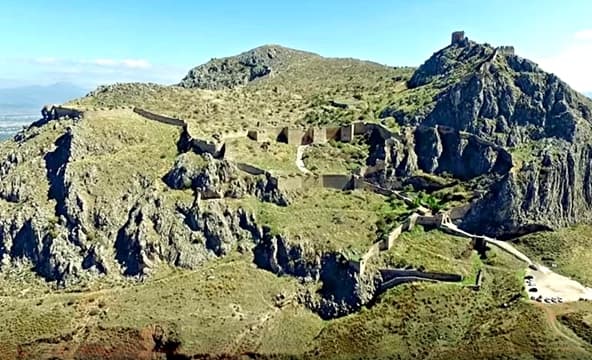
- Plan & scale: Polygonal enceinte adapted to hilltop; about 8000 m² enclosed.
- Curtains & towers: Walls built with rubble, spolia from ancient structures; several semi-circular and square towers.
- Gates: Main gate on the south with defensive turn; smaller postern gates elsewhere.
- Interior features: Remains of cisterns, barracks, storerooms, and chapel foundations.
- Fabric: Byzantine core masonry, with Frankish ashlar insertions, Venetian artillery platforms, and Ottoman repairs all legible.
Interpretation notes
- Harbor link: Unlike purely inland strongholds, Patras Castle’s importance came from its connection to maritime trade and naval control of the Gulf.
- Layered masonry: Frequent reuse of ancient blocks and visible patching mark every occupation.
Artillery era: Bastioned additions and thicker parapets testify to the adaptation for cannon fir